
On a Sunday night, a tenant in a Queens rental called 311 four separate times. By Monday morning the owner knew. By Tuesday it was fixed. When HPD arrived, they found nothing wrong — no violations issued.
If you own NYC rental property, this is the email that should be in your inbox tomorrow morning when something happens — not three weeks later when a violation notice shows up in the mail with a balance due. Here's a real case from one of our subscribers, walked through hour by hour.
Sunday Night — 7:31 PM: The Tenant Files Four Complaints
A tenant in a Queens rental property picks up the phone and calls 311. Within 16 minutes, four separate complaints are filed against the building — all for that single apartment:
| Category | Condition | Filed |
|---|---|---|
| PAINT/PLASTER | Ceiling — collapsing | 7:31 PM |
| WATER LEAK | Heavy flow at wall/ceiling | 7:31 PM |
| ELECTRIC | Wiring — exposed | 7:31 PM |
| WATER LEAK | Damp spot from wall/ceiling | 7:37 PM |
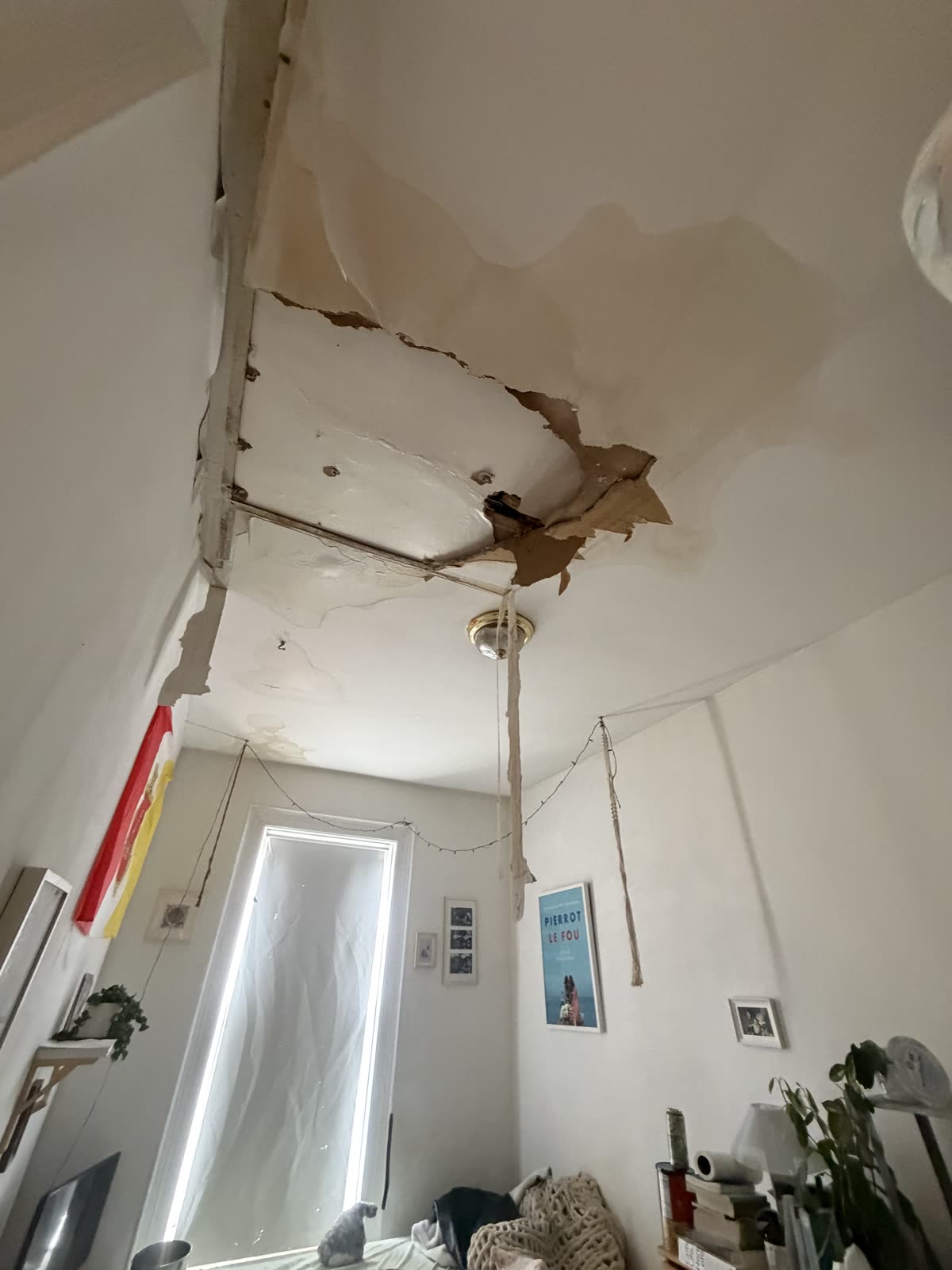
Each of these complaints is now sitting in HPD's queue with a Notice of Violation possible if an inspector confirms the conditions. The owner has no idea any of this has happened — 311 doesn't notify landlords, and HPD's mailed notice can take 1-3 weeks.
Monday — 10:00 AM: The Alert Email Lands
While the owner is having coffee, NYC Violation Search's daily cron job runs. It pulls fresh data from NYC's Open Data feeds — including HPD's housing complaints database — and detects four brand-new records at a saved address. An email is composed and sent.
Total time from tenant dialing 311 to landlord knowing: about 14 hours — and most of that was the natural overnight gap. If the tenant had called Monday morning, the landlord would have known by 10 AM Tuesday. Compare that to the standard mailed notice: 14 to 21 days.
Monday Afternoon: The Owner Acts
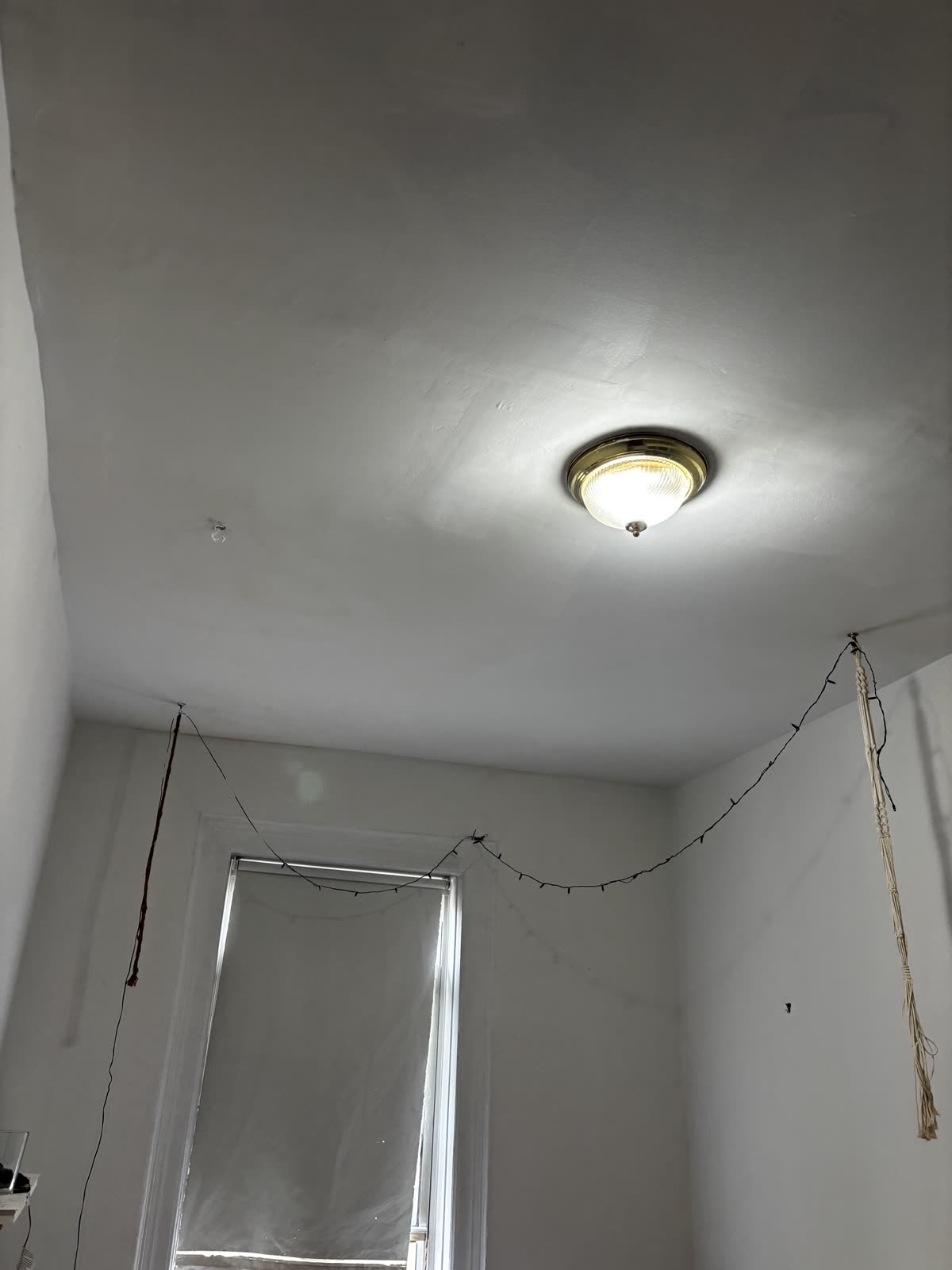
Within hours of opening the alert, the owner is on-site. A contractor is at the apartment that same afternoon. The roof leak that caused the damp ceiling and the heavy water flow gets traced and patched. The exposed wiring is secured by a licensed electrician. The collapsing plaster is removed, the ceiling repaired and repainted. By Monday evening every issue the tenant flagged has been addressed.
Tuesday: HPD Inspects — Finds Nothing
The HPD inspector shows up to investigate the four complaints. The ceiling is repaired. The plaster is intact. The wiring is enclosed. There's no active leak. The inspector documents the conditions and closes the file:
- Inspector accessed the apartment and examined every condition the tenant reported
- All four complaints documented as resolved — "conditions observed did not violate housing laws"
- Zero Notices of Violation issued
- Zero fines, zero OATH hearings, zero balance due
The Resolved Email — Closing the Loop
When the four complaints flip to CLOSED in HPD's system, a separate email goes out — green banner, subject line starts with "Resolved." Each closed complaint shows HPD's actual resolution text. The owner has clean documentation that the issues were addressed, and proof that no violations were ever issued — useful if the tenant later tries to escalate to Housing Court or to a rent reduction proceeding.
What Would Have Happened Without the Alert
Most landlords learn about complaints when the inspector shows up unannounced. By that point the conditions are still there. The inspector documents them. Class B and Class C violations get issued. Civil penalties of $25–$150 per day per violation start accruing the day the violation is entered. The mailed notice arrives 2-3 weeks later, often with a balance already in the hundreds or low thousands. Then comes the OATH hearing, the certification of correction paperwork, and the time spent.
All of that was avoided here — because the owner knew within 14 hours and acted within 24.
Why This Pays for Itself the First Time It Catches Something
One ignored Class B or C violation racks up $25–$150 per day. A typical landlord finds out 2-3 weeks late via mail. That's $350–$3,150 in fines per violation, plus the original cost of correction, plus the OATH hearing fee, plus the time. NYC Violation Search monitors your first 5 buildings free ($10/month for each one after that), and one catch like this one pays for years of monitoring.
How to Set It Up (3 Minutes)
- Sign up free at nycviolationsearch.com/auth — email + password, no credit card
- Add your properties to the dashboard — type the address, hit save (BBL, BIN, and HPD building ID get filled in automatically)
- That's it. Tomorrow at 8 AM ET your first report arrives, covering HPD violations and complaints, DOB/ECB violations and complaints, OATH tickets (including DSNY) and 311 calls
- If anything happens, you get an email with the details and a one-click link to the official NYC page
- Want email only when something changes? Flip one switch on your dashboard
The Bottom Line
NYC mails violation notices. NYC Violation Search emails them — before they're written. That window between a tenant calling 311 and HPD inspecting is when good landlords stay good. It's free for up to 5 buildings. It runs automatically. You can sign up right now, add a building, and forget about it until something actually needs your attention.
The Queens landlord in this case got the alert, made the fixes, and walked away with zero violations on the public record. The mail still hasn't arrived — and now it won't have anything to say.